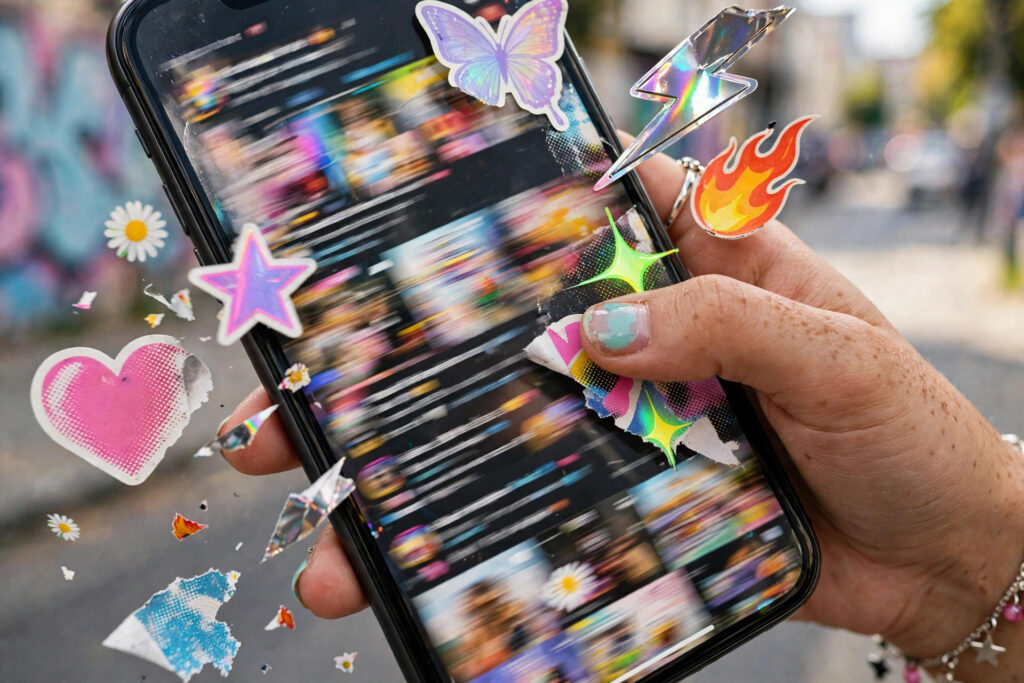
Micro-trends used to last a season. Now they peak on Monday and feel embarrassing by Friday. That speed isn’t a bug anymore. For a lot of young people, the short life is the fun — a joke you share, try once, and drop without making it your whole personality.
You’ve seen the cycle. A sound blows up overnight. A filter, a dance, a weirdly specific outfit combo, a phrase everybody suddenly types the same way.
By the weekend, the comments have flipped. The same clip that felt fresh on Tuesday gets labeled dated, forced, or just plain cringe. Nobody sent a memo. The feed just moved on.
The Week-Long Life Cycle
Older trend cycles had friction built in. A look had to travel from a runway or a magazine to a store, then to your town, then to your closet. That trip took months.
Now there’s no trip at all. A trend starts as a post, spreads as copies of that post, and dies as parodies of those copies. The whole arc can happen without anyone leaving their bedroom.
Speed changes the meaning. If something will be gone in days, you don’t have to ask whether it suits you for the next year. You just ask whether it’s funny right now.
Disposable Doesn’t Mean Pointless
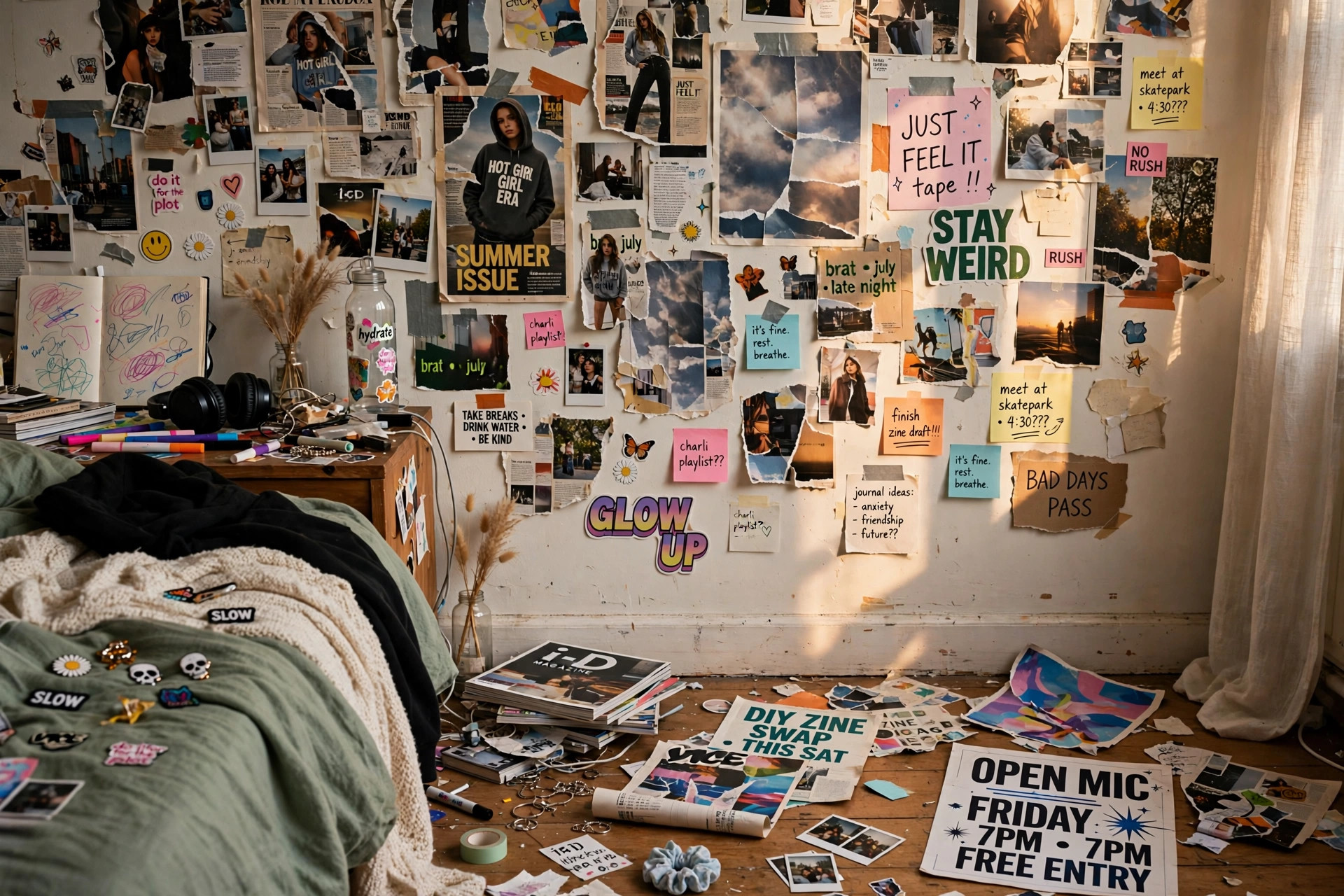
Here’s the part older coverage often misses. A lot of Gen Z doesn’t treat a micro-trend like a tattoo. It’s closer to a sticker.
You slap it on your story for a day. You send it to the group chat. You laugh, you remix it, you let it expire. The short life is what makes it low-stakes.
Think about inside jokes. The best ones don’t last forever, and they’d get worse if they did. A micro-trend works the same way — shared for a burst, then left behind on purpose.
A Joke, Not a Uniform
That shift matters. Wearing or posting something for 48 hours says almost nothing about who you are long-term. It’s play, not a pledge.
So the question flips. Instead of “is this me?” it’s “is this funny with my people, today?” If the answer’s no tomorrow, that’s fine. It was never meant to stick.
Some trends even announce their own expiry date. The humor depends on everyone knowing it’ll look ridiculous very soon. Joining in early, then joking about how fast it aged, is part of the bit.
Why Everything Burns Out So Fast
Feeds reward novelty, not loyalty. According to reporting from The Verge on TikTok’s recommendation system, the platform pushes fresh sounds and formats hard, then just as quickly surfaces the next thing. Creators chase that window because it closes fast.
Saturation does the rest. Once you’ve seen the same transition 30 times in one scroll, your brain files it as old. Not bad, necessarily. Just done.
Parody speeds it up even more. The moment a trend gets a perfect spoof, the original can’t feel new again. The spoof becomes the final version, and everyone quietly walks away.
Brands arriving late seal the deal. When a corporate account finally posts the meme in a polished ad voice, the joke reads as over. Young users tend to read that as a signal to drop it, not copy it.
The Fatigue Is Real, Too
Low-stakes doesn’t mean zero cost. Keeping up, even ironically, takes attention. And attention runs out.
There’s a specific tiredness that comes from opening an app and feeling behind on something that didn’t exist yesterday. Miss a day and you’re decoding references like homework. Miss a week and whole slang layers have turned over.
That pressure hits even if you don’t buy anything. You still feel the nudge to perform being current. Post the right sound now, or don’t post at all?
Opting Out Without Disappearing
More people are choosing a third option: watch, laugh, don’t adopt. You can get the joke without building an outfit, a routine, or a posting schedule around it.
Muting a sound, skipping a challenge, letting a trend pass — none of that locks you out forever. The feed will offer 10 more by tomorrow. Missing one isn’t missing the culture.
In fact, not chasing every spike can make the ones you do join feel better. You pick them because they actually made you laugh, not because the timeline demanded a response.
Personal Style Is Quietly Winning
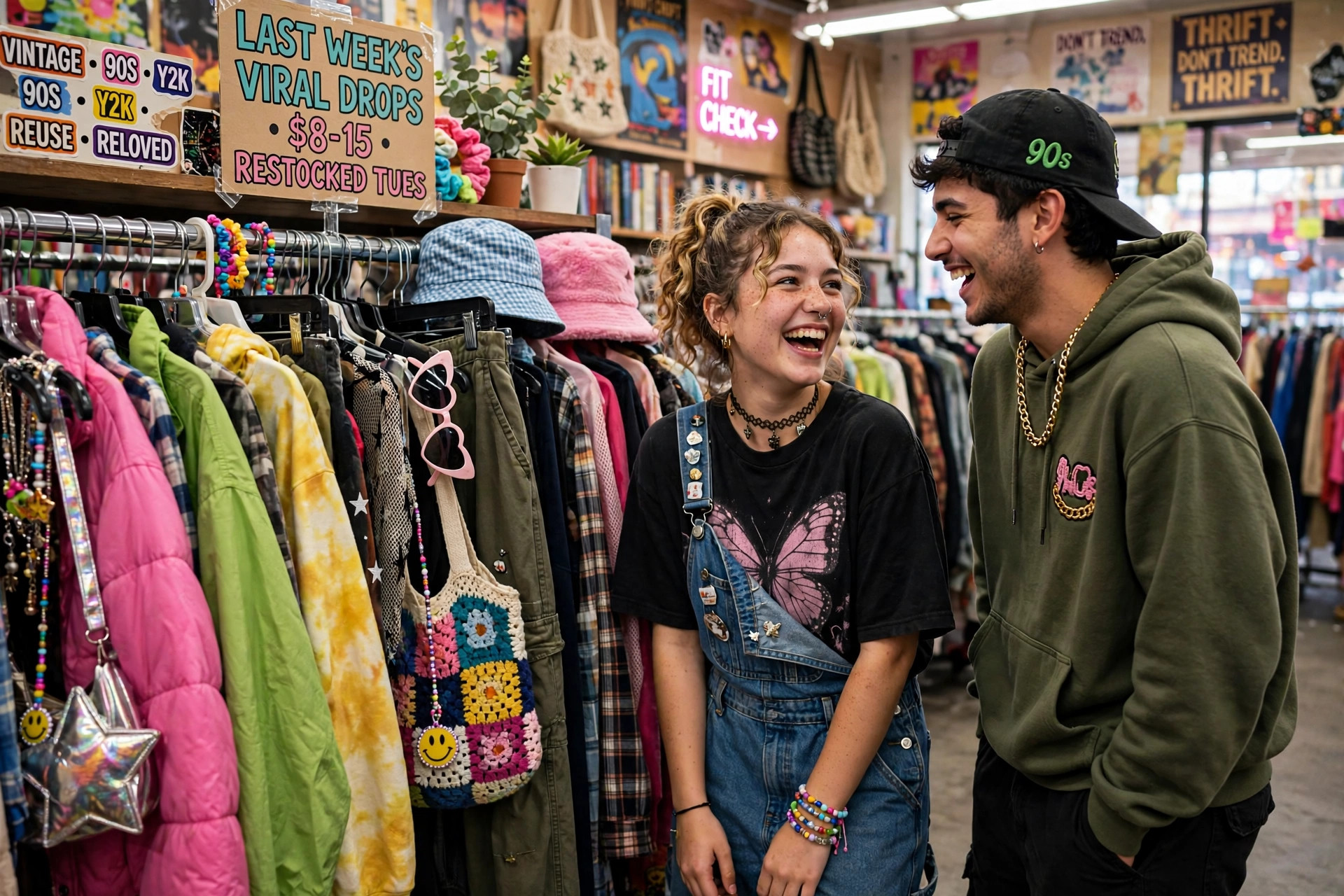
As micro-trends spin faster, a counter-habit has grown next to them. Repeat outfits. Signature pieces. A messy, personal mix that doesn’t update every week.
Personal style here doesn’t mean a fixed aesthetic with a name. It means the jeans you reach for anyway. The jacket that shows up in photos across years, not days. The haircut you keep because you like your face in it.
According to Vogue’s coverage of outfit repeating among young celebrities and creators, wearing the same piece publicly and repeatedly has shifted from a faux pas to a flex. The piece becomes yours because you kept it, not because it trended.
That logic travels well offline. A closet built around a few loved things asks less of you each morning. No panic refresh. No costume change for the algorithm.
Inside-Joke Trends Beat Mass Ones
The trends that tend to survive longest aren’t the biggest ones. They’re the small ones — a phrase only your friend group uses, a filter applied to one specific family dog, a running gag in a tiny server.
Those don’t need scale to work. They get funnier with repetition, not weaker, because the history is the point. A mass trend dies from overexposure. An inside joke grows from it.
You can’t schedule that kind of thing, and you can’t force it. It usually starts by accident and sticks because real people kept choosing it after the feed stopped pushing it.
How to Enjoy a Micro-Trend Without Losing the Plot
You don’t need rules for having fun online. But a few checks help when the feed starts steering harder than you’d like.
Ask who it’s for. If you’d still find it funny with the views turned off and only three friends watching, it’s probably genuine. If the fun disappears without an audience, pause.
Give it a night. Most micro-trends feel urgent for exactly one evening. Sleep on the impulse to remake your look, your room, or your posting style around it. Morning usually gives a clearer answer.
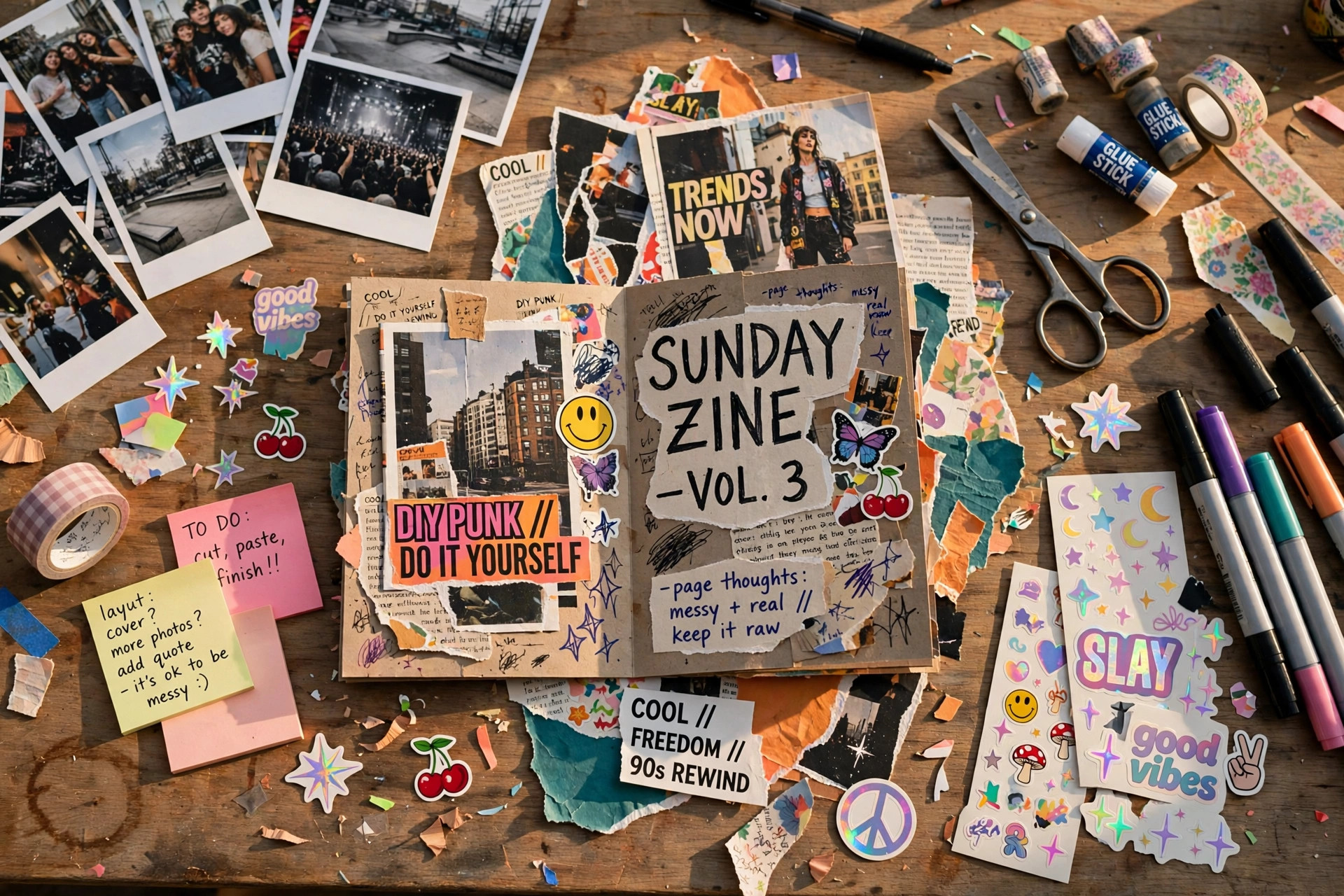
Try the free version first. Restyle what you already own, borrow the phrase, duet the sound, sketch the idea in a notebook. If the joke works in draft form, you don’t need a bigger commitment to enjoy it.
Keep one anchor. A piece, a playlist, a photo style — something that stays yours while trends rotate around it. Anchors make experimenting feel safer, because you always have a home base to return to.
Let it die on time. When the spark’s gone, stop forcing it. Posting a dead trend out of habit feels worse than missing a live one. Leaving early is part of the skill.
A Faster Culture, A Slower Self
That split might be the healthiest read on all of this. The culture moves at feed speed. You don’t have to.
Let trends be weather — loud, fast, sometimes fun to stand in for a minute. Let your taste be climate: slower, built from what you return to when nobody’s pushing anything at you.
Some weeks you’ll join everything. Some weeks you’ll watch it all blow past and feel nothing, and that’s not falling behind. That’s just a person having a week.
The point was never to win the trend cycle. Nobody does, because it restarts before anyone can collect a prize. The point is to take the laughs, keep what actually fits your life, and let the rest scroll away without a second thought.
Frequently Asked Questions
What exactly counts as a micro-trend?
A micro-trend is a short-lived style, sound, phrase, or format that spikes on social feeds and fades within days or a couple of weeks. It spreads through copies and remixes rather than stores or magazines, so its whole life can happen online before it ever shows up in daily life.
Why do micro-trends die so much faster now?
Feeds surface new formats constantly, repetition makes a format feel old within a single scroll session, and parodies mark the end of a trend’s fresh phase. According to The Verge’s reporting on TikTok’s recommendation system, that rapid rotation is built into how content gets pushed, so burnout arrives quickly.
Is joining a micro-trend a bad idea?
Not by itself. Joining can be harmless fun if you treat it as temporary — a joke to share, not an identity to defend. It turns sour when you feel pressure to keep up with every spike, change how you present yourself daily, or judge your worth by how current your posts look.
How is personal style different from following trends?
Personal style is what you keep choosing after the push ends: repeat outfits, favorite pieces, and references that mean something to you or your close circle. Trends are pushed to everyone at once and expire fast. Style sticks around because you chose it again on a quiet day, with no audience demanding it.
This article was created with AI assistance and reviewed by our editorial team before publishing.